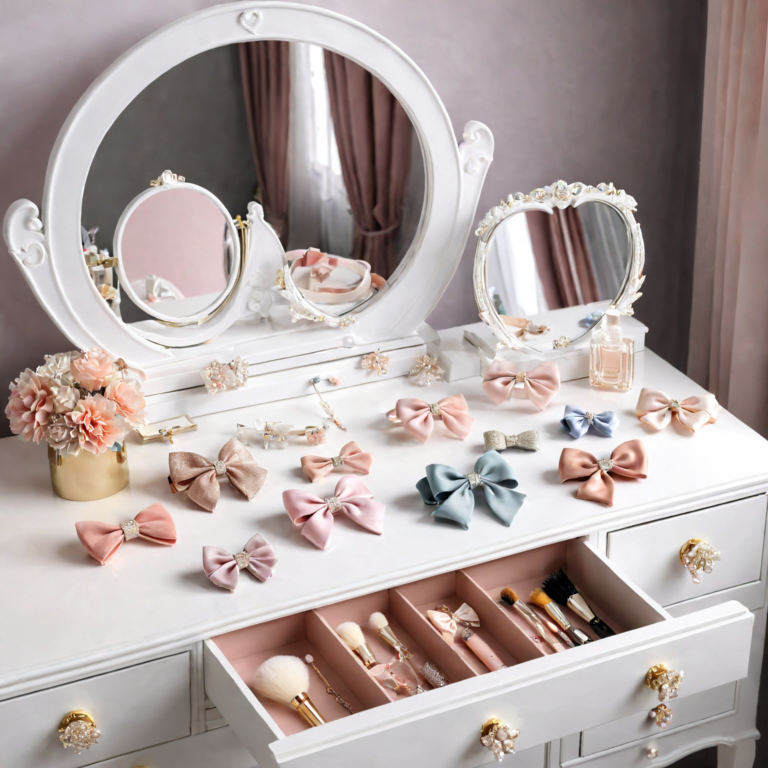
How to Keep Hair Bows from Slipping in Fine Hair (Pro Techniques That Last All Day)
Fine hair can be a gift. It dries quickly, feels incredibly soft, and often looks beautifully silky in your photos. The challenge begins when you try to clip in a bow, only to have it slide down the back of your daughter’s head within minutes as if it has a mission of its own.
The good news is that “slippery bow life” doesn’t have to be your everyday struggle. With the right bow, a little preparation, and a couple of stylist tricks, you can achieve an all-day hold that remains gentle on tender scalps.
Why Bows Slip More in Fine Hair
You know that fine hair typically features a smaller strand diameter, which means it offers less natural texture for a clip to grip. Many girls with fine hair also have straighter strands, and straight hair tends to lie smooth against itself.
There’s also a simple physics issue: the bow has weight, and fine hair doesn’t offer much “bulk” to keep that weight in place. If the bow is too large or the clip too slick, gravity will always have its way.
And then there’s real life—playground dashes, hoodie-on-hoodie-off moments, car seat headrests, and the delightful chaos of siblings can all put your bow’s hold to the test.
Start with the Bow (Because Not Every Bow Is Meant for Fine Hair)
Before you add any product, check two things: the bow’s scale and the hardware underneath it.
You might have noticed that smaller bows tend to sit more securely in fine hair because they won’t overwhelm the section you’re clipping into. Many experts recommend petite sizing for fine hair, and it’s a smart idea to opt for lightweight materials like satin or silk since heavy bows can drag down the hair and encourage slipping.
Once you select a size that fits perfectly, take a close look at the clip itself. Fine hair generally thrives with clips that feature “teeth” or a textured lining that adds friction without pulling.
Here’s what you should look for when shopping:
- Bow size: Petite to medium sizes that suit everyday wear on fine hair.
- Clip style: Alligator-style clips with teeth or ones that offer a grippy lining.
- Fabric weight: Lighter fabrics that won’t drag the section down.
- Comfort check: A clip that stays secure while remaining gentle for long days.
A beautiful bow is lovely, but a beautiful bow that stays in place can be a game changer on busy mornings.
Build a Grippy Base in About a Minute
Fine hair holds best when it isn’t freshly “slippery clean.” And by that, you don’t need dirty hair—you just need hair with a little natural texture.
If you have time for a full blow-dry with some root lift, that’s fantastic. If not, this quick routine will still make a huge difference:
- Start where the bow will sit and lightly mist dry shampoo or a texture spray at the roots.
- Use your fingertips to press and “scrub” it in for 10 to 15 seconds.
- If the hair is very silky, take a small comb and gently backcomb just one or two strokes at the root where the clip will rest.
- Smooth the top layer very lightly with your fingers (not a brush) so that it still appears neat.
- Clip the bow in, then press the clip closed firmly and hold it for a second to ensure it grips well.
When styling after a bath, try to keep conditioner off the roots whenever possible. On fine hair, heavy conditioner at the scalp can cause even the best clip to feel like it’s gripping glass.
The “Anchor First” Method (The Secret to All-Day Hold)
There’s one key adjustment you need to make: stop clipping bows into a big, loose section and start clipping them onto an anchor.
An anchor is a small, firm structure that gives your clip something solid to latch onto. Think of it as hanging a picture on a stud rather than just drywall.
Option A: The Mini Ponytail Anchor
Gather a small section from temple to temple (or just from the top center), secure it with a small, gentle elastic, then clip the bow just above the elastic so that the clip catches the hair and sits snugly against the anchor.
This method works wonderfully for toddlers through teens and is especially effective for half-up styles on straight, fine hair.
Option B: The Twist-and-Tie Anchor
Take two small sections from the front, twist them back, then secure them together with a tiny elastic. Clip the bow over that elastic area.
This approach is perfect for school pictures or any day when you want your hair neatly out of your face without looking overly “done up.”
Option C: The Micro Braid Anchor
Braid a small section right where the bow will sit (even a short braid will do), tie it off with a tiny elastic, and then clip the bow over that spot.
Braids naturally add texture, making this option one of the strongest holds for very slippery hair.
Pin Like a Stylist (Even if You’re Doing It in the Car Line)
Some days, the clip alone might be enough. Other days, you need a little extra security.
Bobby pins are a great safety net, but only when used correctly. In fine hair, one pin inserted “straight in” might slide right back out. Instead, crossing pins creates a secure lock.
Here are a few pro tips:
- The X-hold: Insert one bobby pin, then cross a second pin over it to form an X.
- The Hook-and-Turn: Insert the pin, catch a small bit of hair, then twist and push it in to lock.
- Spray the Pin: A quick mist of texture spray on the bobby pin adds extra grip when your hair is especially silky.
If your bow has a center knot or wrap, you can often tuck a bobby pin right behind that central area for a hidden secure hold.
Placement Matters More Than You Think
You may find that fine hair is particular about where a clip “likes” to settle. A small shift in placement can mean the difference between an all-day hold and constant re-clipping.
Try these placement tips:
- Position bows a bit higher, closer to the crown, where you naturally get more lift.
- Avoid clipping the bow too low on the back of your head if the hair underneath is very flat.
- Clip into a smaller section than you might think you need. Larger sections might feel voluminous, but they can slide because the clip isn’t able to clamp evenly across all that hair.
Remember on busy mornings: a small section, a strong base, and a confident clip are your keys to success.
Quick Troubleshooting When a Bow Still Slips
Even with excellent preparation, there might be days when nothing seems to cooperate. Here’s a quick checklist to help you pinpoint the issue:
- If it slides down: Switch to a smaller bow or create a mini ponytail anchor.
- If it tips backward: Move the placement slightly higher and clip closer to the scalp.
- If it twists sideways: Add a bobby pin behind the bow’s center to stabilize it.
- If it “pops out” fast: Add texture at the roots and mist the clip or pins for better grip.
- If it hurts: Reduce tension, use less hair in the clip, and steer clear of tight elastics.
Remember, tenderness on the scalp is very real—especially for younger kids. A secure style should still feel comfortable and kind.
A Simple Comparison Table: What to Use, When
The goal here is to simplify your routine. It’s all about choosing the right tool for the situation.
| Situation | Best Approach | Why It Works | Watch-Outs |
|---|---|---|---|
| Very fine, very silky hair | Mini ponytail anchor + bow clip | The elastic creates a firm base | Use gentle elastics to avoid breakage |
| Busy school day, lots of movement | Clip with teeth + one hidden bobby pin | The clip grips while the pin stabilizes | Avoid heavy bows that pull the section |
| Freshly washed hair | Dry shampoo or texture spray at roots first | This immediately adds friction | Don’t over-apply; buildup can make hair look dull |
| Special occasion, polished look | Light backcomb under the clip + flexible spray | The hidden structure gives a clean, neat finish | Tease gently; fine hair can tangle if handled roughly |
| Sensitive scalp | Soft headband with bow or lighter bow size | Less pulling on strands, ensuring comfort | Ensure the headband isn’t too tight |
Products That Help Without Making Fine Hair Stiff
You don’t need a cabinet full of products. One or two well-chosen helpers can make styling much easier.
A light texture spray or a bit of dry shampoo at the roots often does more to secure a bow than heavy hairspray ever could. If you do opt for hairspray, choose one with a flexible hold—this is especially important for kids.
To keep your hair healthy over time, be mindful of daily product layering. A simple wash and the occasional clarifying wash will help keep fine hair feeling airy rather than weighed down.
Teaching Girls to Help (And Building Confidence Along the Way)
As she grows older, the struggle with bow placement can become a source of frustration—especially if it seems like their hair just won’t cooperate. Transforming this routine into a skill-building exercise is a wonderful way to boost her confidence.
Start with one reliable style, like the mini ponytail anchor. Encourage her to practice clipping the bow just above the elastic and remind her to press the clip closed firmly. It’s a small act of independence that teaches valuable self-care, and it can even become a comforting part of a calmer morning routine: get dressed, fix your hair, say a quick prayer, and head out the door ready to embrace the day.
And if the bow slips sometimes, don’t worry. You’re doing great. You’re caring for a real child with real hair on a real day, and life is rarely perfectly pinned.
Here are some more styles to try for fine hair on our YouTube channel. Let me know if you have success with these tips!